
The Psychology of Preparedness: From Hiking Essentials to Financial Planning
Preparedness is when you plan for things to go right, but also just in case things go wrong. You have a flight booked in a month or are going on a hike with your best friend on the weekend. Either way, being prepared gives you confidence and helps you feel in control, reducing anxiety.
The mindset of a well-prepared hiker: planning for the unexpected
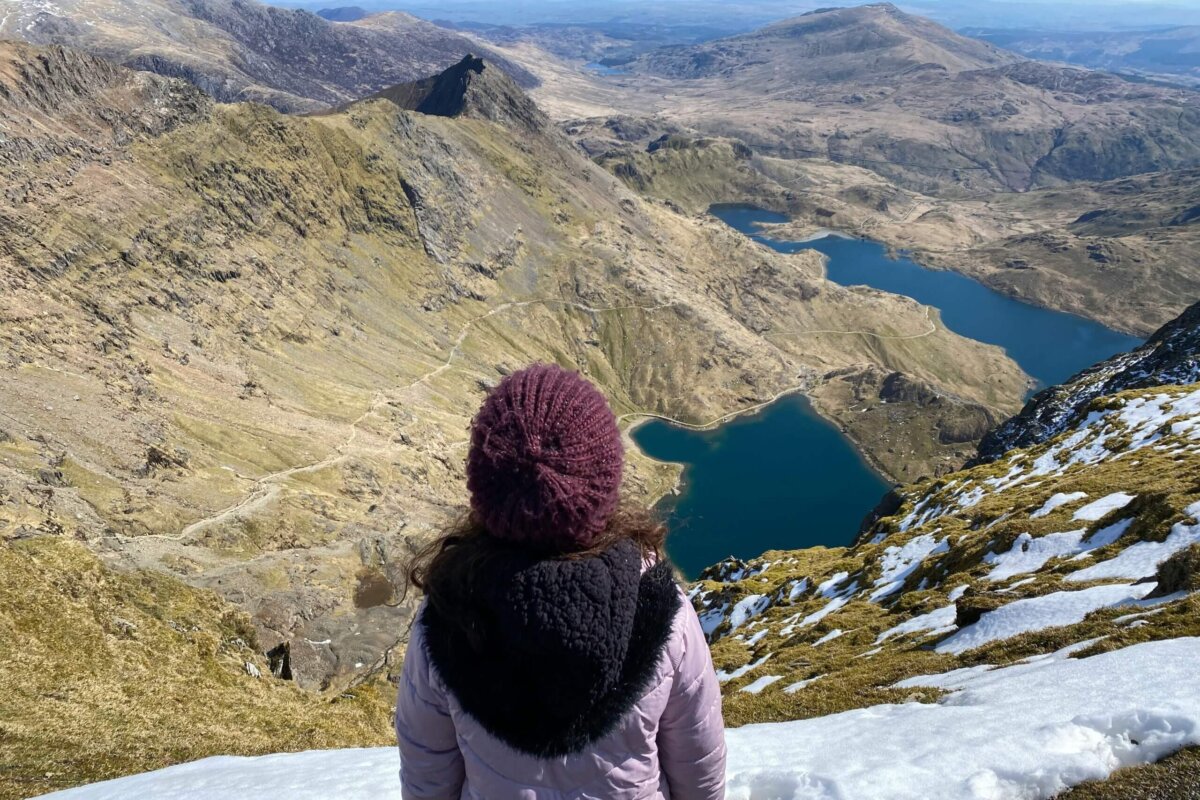
Experienced hikers know what to expect before leaving home because they check weather forecasts, study their routes, and pack equipment that covers a range of possibilities.
When you prepare for different scenarios, you reduce the pressure of making urgent decisions later. For example, someone heading into the hills with a charged phone, extra water, and a paper map can deal with a wrong turn far more calmly than someone relying on luck.
Financial planning follows a similar principle. Building an emergency fund or contributing regularly to long-term savings does not eliminate uncertainty, but they give you greater control over how you respond when challenges arise.
Why small preparations prevent bigger problems
Many people delay preparation because they view it as a large task that will take time and energy. However, small actions often prevent significant difficulties later. For example, setting aside a small amount of money each month may not feel significant initially, but consistent habits accumulate over time. A modest emergency fund can help cover an unexpected car repair or household expense without forcing you to rely on costly borrowing options.
Learning from changing conditions: adapting your plan
Few hikes unfold exactly as expected. The weather can change unexpectedly. Paths may become inaccessible due to obstructions. Successful hikers recognise these changes and adjust their plans accordingly.
When conditions shift, flexibility becomes just as important as preparation. These adjustments help protect both safety and enjoyment. Financial planning benefits from the same adaptable approach. Career changes. Family commitments. Changes to your economic conditions. These can all influence your priorities.
Instead of treating a plan as a fixed set of instructions, view it as a framework that evolves alongside your circumstances. This perspective helps you stay proactive rather than reactive when change occurs.
Building long-term resilience beyond the trail
Preparedness is ultimately about resilience. It helps you recover more quickly from setbacks because you have already considered how you might respond.
On a hiking trip, resilience could mean carrying spare layers that keep you comfortable when temperatures drop unexpectedly. In financial planning, resilience often comes from creating a balanced approach to protecting wealth over time.
Different people build resilience in different ways. Some focus on cash savings for accessible emergency funds. Others diversify their assets by choosing gold bars or through property and pensions. The specific strategy matters less than developing a thoughtful approach that aligns with your goals and circumstances.
Applying preparedness to everyday life
Preparation is not about expecting the worst. It is about giving yourself the tools, knowledge, and confidence to handle whatever comes next. Much like an experienced hiker setting out with the right equipment, you place yourself in a stronger position when you invest in preparation today.

No Comments Yet!
You can be first to comment this post!