
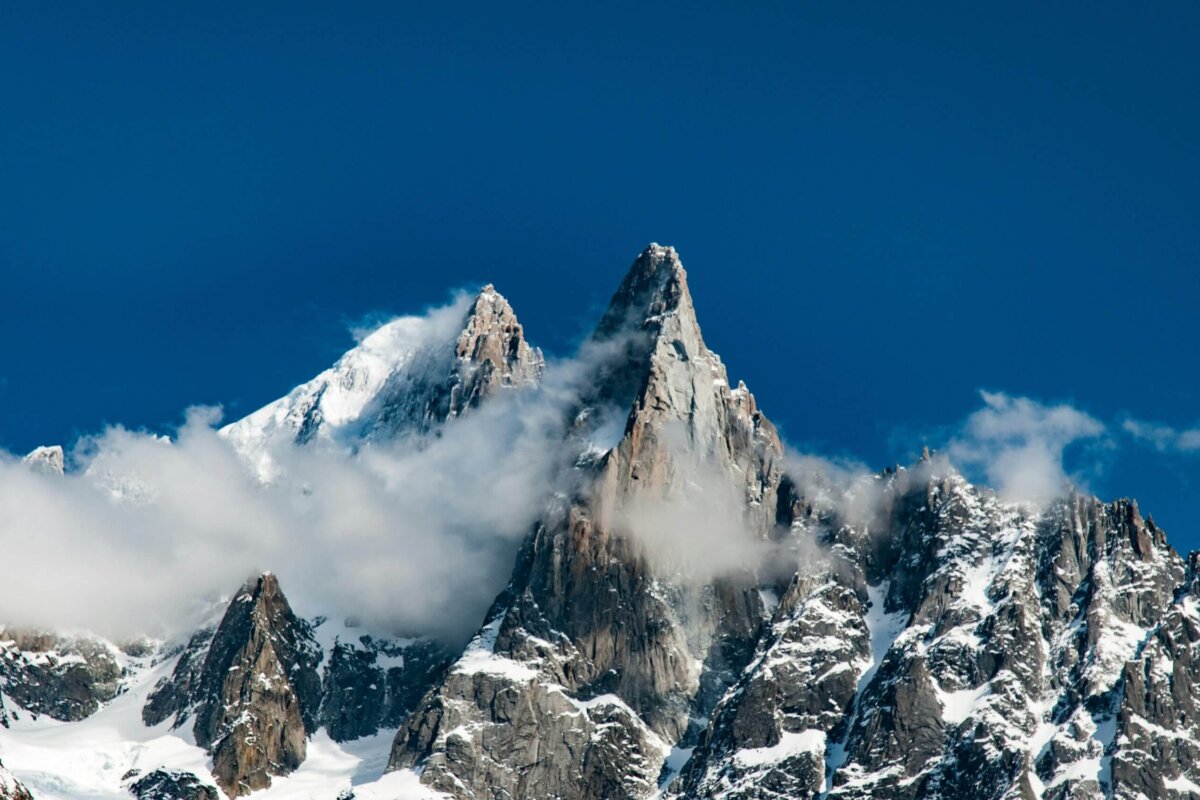
What It Feels Like to Stand on the Roof of Europe
At more than 15,700 feet, Mont Blanc is the highest mountain in the Alps, and the massif around it is vast: a sprawl of granite spires, hanging glaciers and valleys so deep that villages sit in shadow while the summits still glow. Seen from a cable car or a viewing platform, it’s spectacular.
Explored on foot, it becomes something richer. The journey through the surrounding Alps turns out to matter as much as the famous summit itself.
Why the Landscape Feels Different On Foot
Most walkers never set foot on the summit. Climbing Mont Blanc is a serious mountaineering undertaking, while hiking around the massif follows established trails through valleys and over high passes. That’s where the scale really sinks in. A glacier you glimpsed from the valley floor grows steadily larger over the course of a morning’s climb, until you can hear meltwater rushing beneath the ice.
Walking also makes you aware of details a viewpoint can’t offer. The air cools noticeably as you gain height, soft forest paths give way to loose scree, and a clear morning can turn misty within an hour. Travel that engages all five senses tends to stay with you, and moving slowly reveals contrasts that are easy to miss when you simply arrive and take a photo.
A Mountain Shared By Three Countries
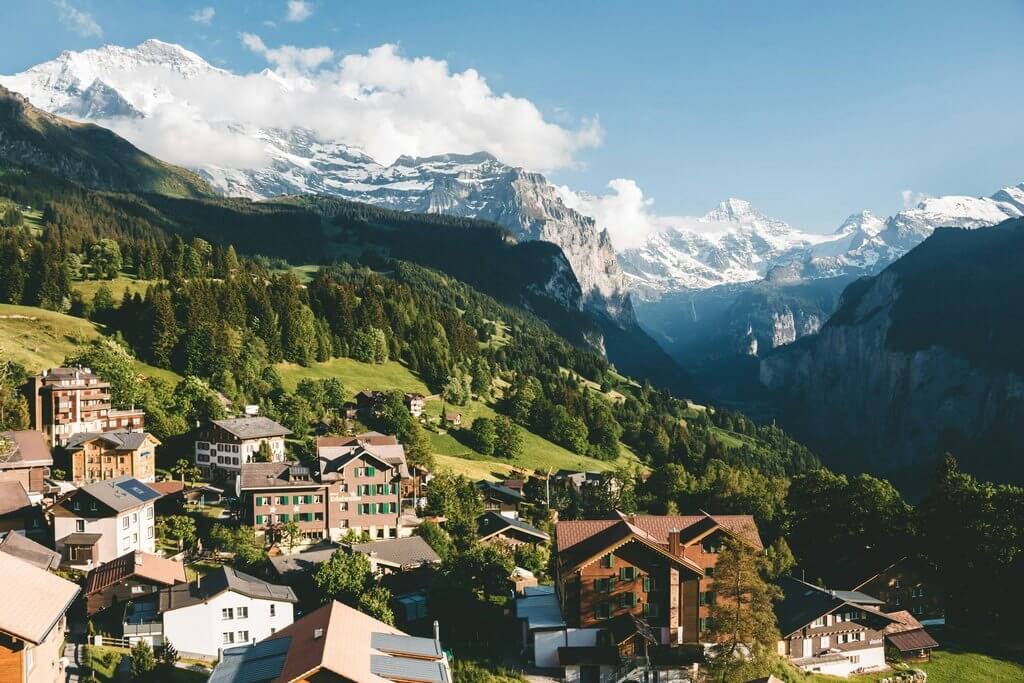
Mont Blanc straddles the borders of France and Italy, with Switzerland close by, and walking routes around the massif pass through all three. In a single trip you might leave the busy mountain town of Chamonix, cross into Italy’s Val Ferret with its espresso bars and Italian conversation, and descend into quiet Swiss villages with flower boxes on every balcony.
For travelers who’d rather someone else handle the logistics, Mont Blanc hiking tours are one way to experience the wider region. Either way, the landscape and the communities shift with every border.
The Moments Between the Viewpoints
The headline panoramas are unforgettable, but a day on the trail is made of smaller things: a mid-morning break beside a stream, a nod to another hiker on a switchback, or wildflower meadows thinning out into bare rock. Mountain refuges are part of the experience, too. At Rifugio Bonatti in Italy, the view of Mont Blanc from the dining room is famous among walkers.
Effort changes how a view feels. After a long climb to a pass, the panorama that opens up feels earned in a way that no cable car ride can match. And most of these trails are well within reach of fit, reasonably experienced hikers, not just expedition mountaineers.
Respecting a High-Mountain Environment
Alpine weather and trail conditions can change quickly, so preparation should match the route you choose. Follow local trail information and guidance, stay on marked paths, and take your trash home with you. These valleys are lived-in places, so a little courtesy goes a long way.



No Comments Yet!
You can be first to comment this post!