
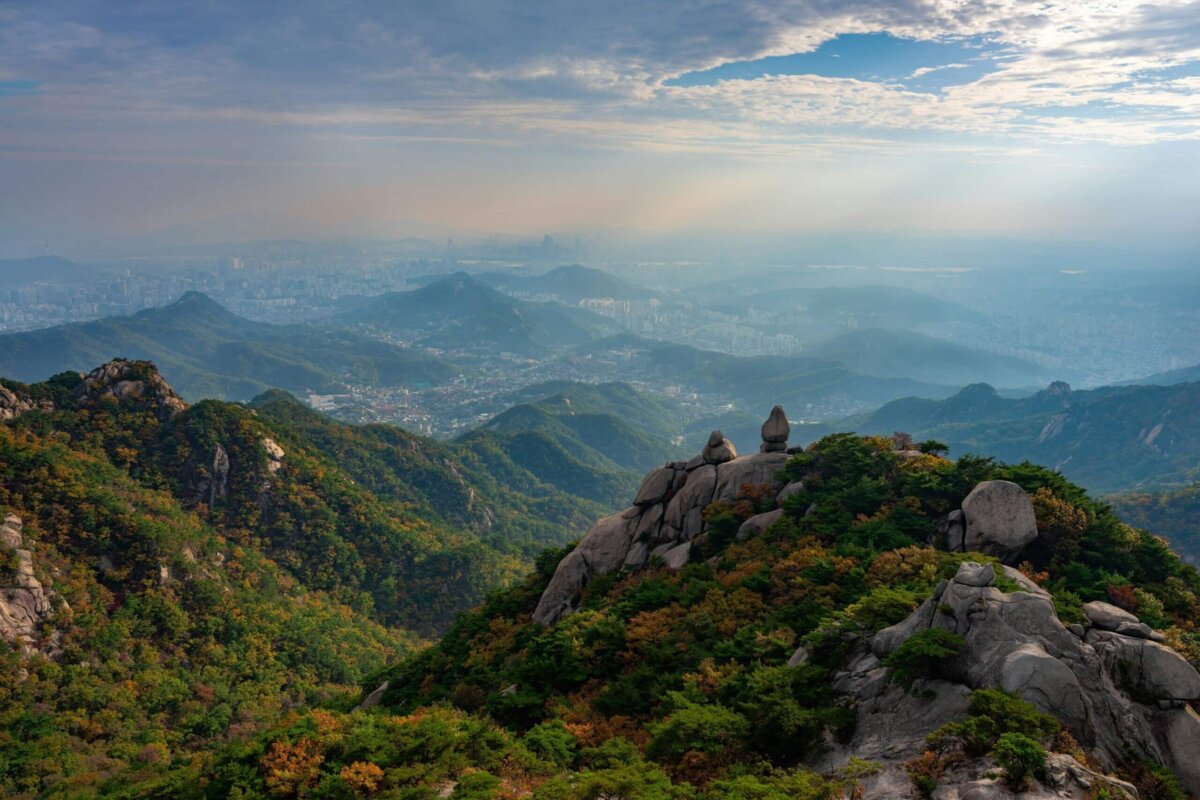
South Korea for Hikers: Mountain Ridges, Temple Forests, and Coastal Paths
The UK has fifteen national parks, and we love them dearly. South Korea has more than twenty, packed into a country smaller than England, and most of them are mountains. Walking is close to a national pastime here, so the trails are well signposted, the paths are busy at weekends, and you are rarely more than a short hop from a summit. Better still, there is something for everyone, from
gentle temple woods to multi-day ridge traverses that will test the strongest legs. A trip does take some planning, since the country’s best walking is spread out and city days sit between the mountains. That is why some hikers book trips to South Korea that cover the flights, hotels, and transfers, leaving their own days free for the trails. However you arrange it, here is where a pair of well-worn boots will take you.
Jirisan, the great ridge walk
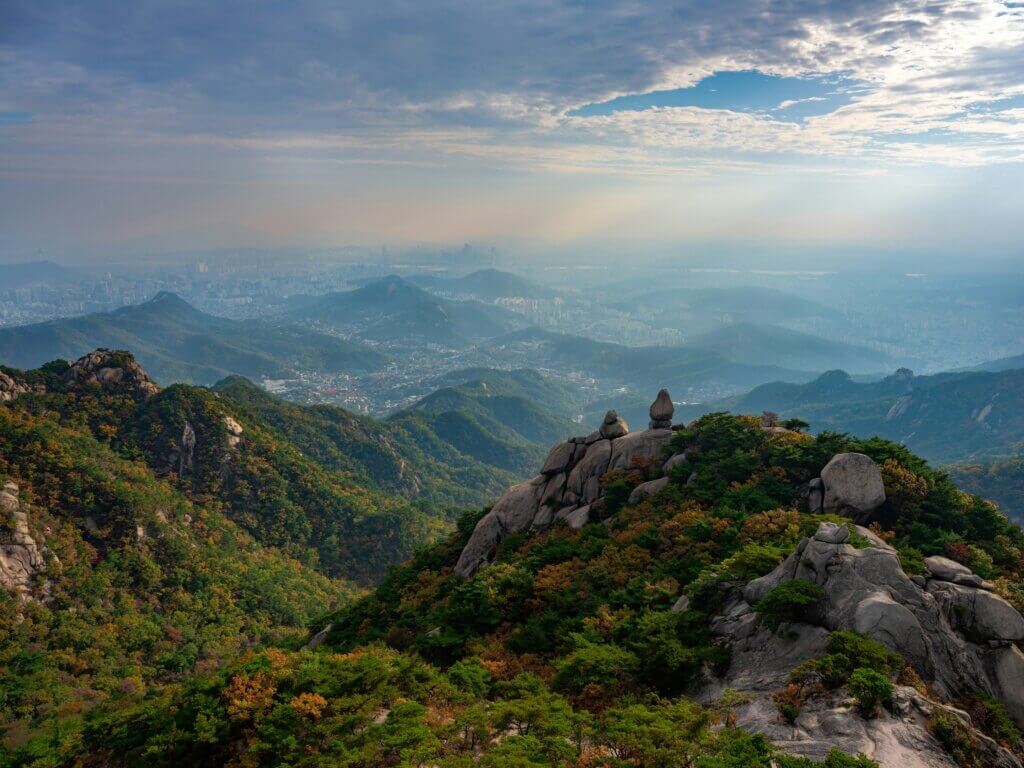
If you want the big one, it is Jirisan. This was the country’s first national park, back in 1967, and it remains the largest on the mainland, a long green wall of ridges in the south. Its highest point, Cheonwangbong, tops out at 1,915 metres, and the classic route runs the spine of the range over two or three days, sleeping in mountain shelters along the way. Those shelters need booking in advance through the national park service, so plan ahead if the full traverse is on your list.
Not everyone has three days or the knees for it, and that is fine. You can walk a single section as a long day hike, or start gently from one of the temples at the foot of the range, such as Hwaeomsa with its ancient halls. Spring covers the lower slopes in wildflowers, and autumn sets the whole ridge alight with colour. Go in October if you possibly can, and start early to beat both the heat and the crowds.
Temple forests and the gentler parks
Not all of Korea’s walking asks so much of you. Some of the loveliest trails wind through temple forests, where the effort is minimal and the reward is quiet. Odaesan, in the northeast, is the one to know. The path from Woljeongsa temple runs beneath a corridor of towering fir trees, cool and hushed even in high summer, and it makes a perfect warm-up before the gentle climb toward Sangwonsa further up the valley.
Naejangsan is the other name worth writing down, especially in late autumn, when its maples turn the valley into a tunnel of red and orange. A cable car helps if legs are tired, so it suits families and mixed-ability groups. For something you will remember, book a night of temple stay at one of these mountain monasteries. You sleep simply, rise before dawn, and join the monks for morning chanting, which puts the day’s walking ahead in a rather different frame of mind.
Sea cliffs and a temple on the rocks
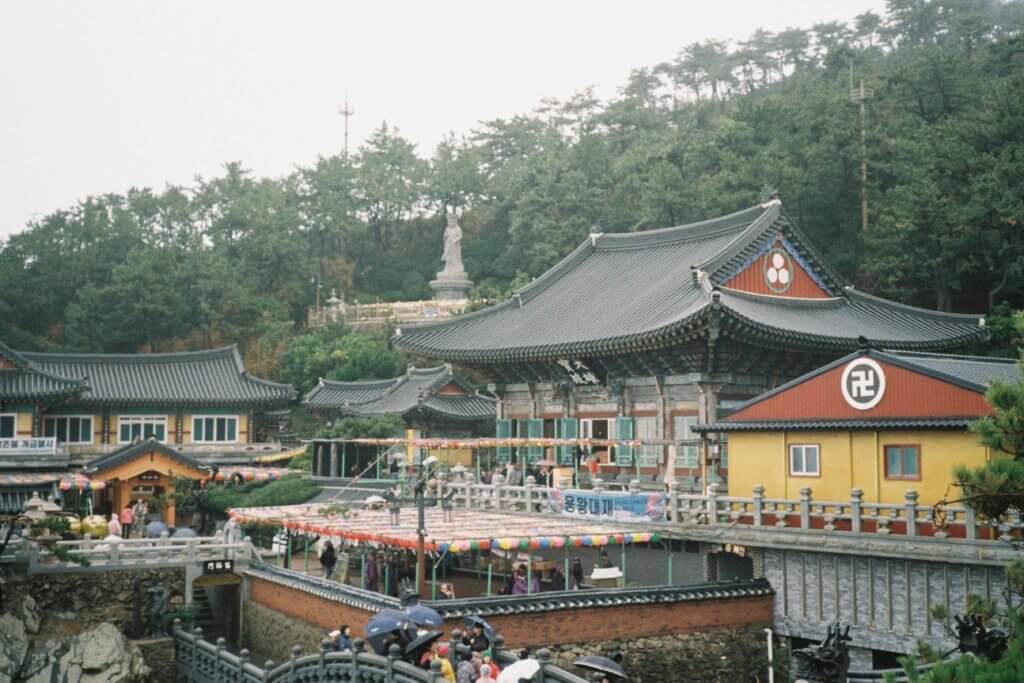
Korea’s coastline is a walker’s secret. Down in Busan, the Galmaetgil is a network of coastal paths that lace together beaches, headlands, and quiet fishing coves, and the Igidae section traces the cliffs with the city shimmering across the bay. The standout stop is Haedong Yonggungsa, a temple built right onto the sea rocks, where waves break below the shrines and the whole place feels a world away from the traffic behind it.
Push a little further and Taejongdae offers pine-topped cliffs and a lighthouse at the tip of a small headland, reachable on foot or by a slow tourist tram. Keen walkers can pick up the Haeparang Trail here, a long-distance coastal route that runs all the way up the east side of the country. You do not need to walk the whole thing, of course. Even an hour or two along the sea, with salt in the air and container ships on the horizon, is a fine way to rest tired mountain legs.
Walking through history in Gyeongju
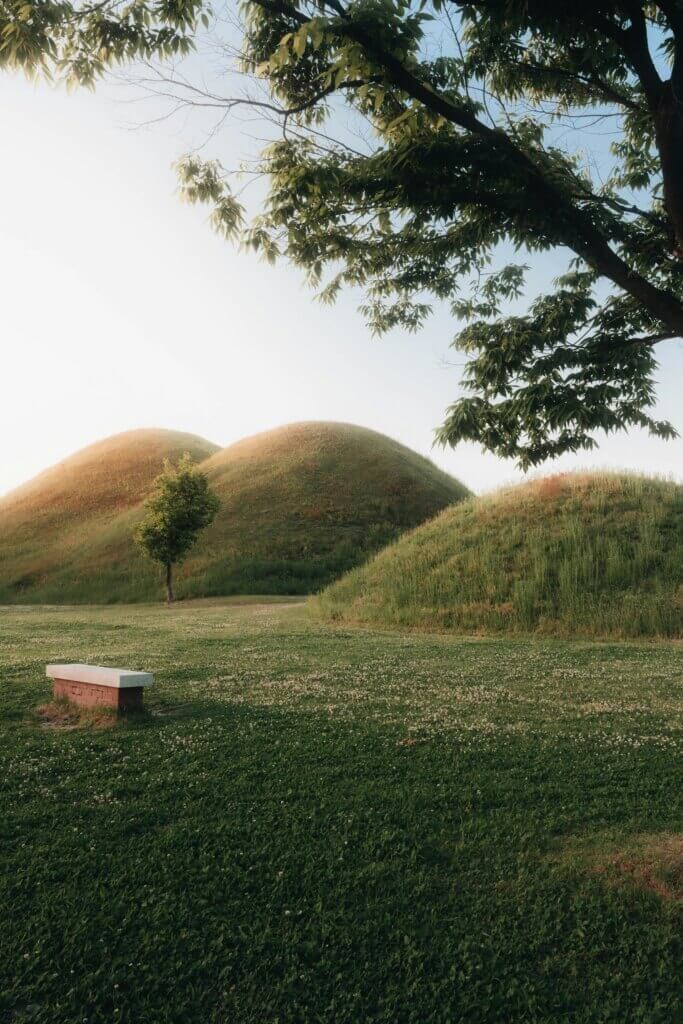
Some of the best walking in Korea barely feels like hiking at all. Gyeongju was the capital of the old Silla kingdom for close to a thousand years, and the whole city reads like an open-air museum you explore on foot. Start among the grassy royal tombs at Daereungwon, giant burial mounds rising like green hills between the streets, then wander past Cheomseongdae, a stone observatory built in the seventh century, and the reflecting pond at Wolji.
For a proper climb with a payoff, head up Namsan on the edge of town. This is a sacred mountain, its slopes scattered with weathered Buddha carvings, pagodas, and shrines that reveal themselves as you follow the trails uphill. Historians and hikers both tend to lose a whole day here without noticing. Bring water and decent footwear, since the ground is rocky in places, and pick up a simple trail map at the entrance so you do not miss the carvings tucked off the main paths.
Seasons, shelters, and packing sense
A few practical notes will save you grief. Autumn is the golden window, roughly mid-October to the first week of November, when the air turns crisp and the hills catch fire with colour, though it is also the busiest stretch. Spring brings blossom and mild days, summer turns hot and humid with a wet spell in July, and winter locks the high trails in ice, so pack proper traction if you head up in the cold. For the popular shelters, especially on Jirisan, reserve your bunk online through the national park service well before you fly, as they book out fast in peak season.
Korean hikers are famously well kitted out, and the trails are clearly signposted and, on the whole, very safe. You will often be offered a share of someone’s snacks near a summit, which is half the fun of walking here. Since a Korea trip also means moving between regions and spending time in the cities, plenty of walkers let a booked trip take care of the flights, hotels, and transfers, then keep their own days for the mountains. Either way, you will fly home with aching legs and a list of trails already forming for next time.


No Comments Yet!
You can be first to comment this post!