
4 Mistakes Hikers Make When Trekking in Tropical Climates
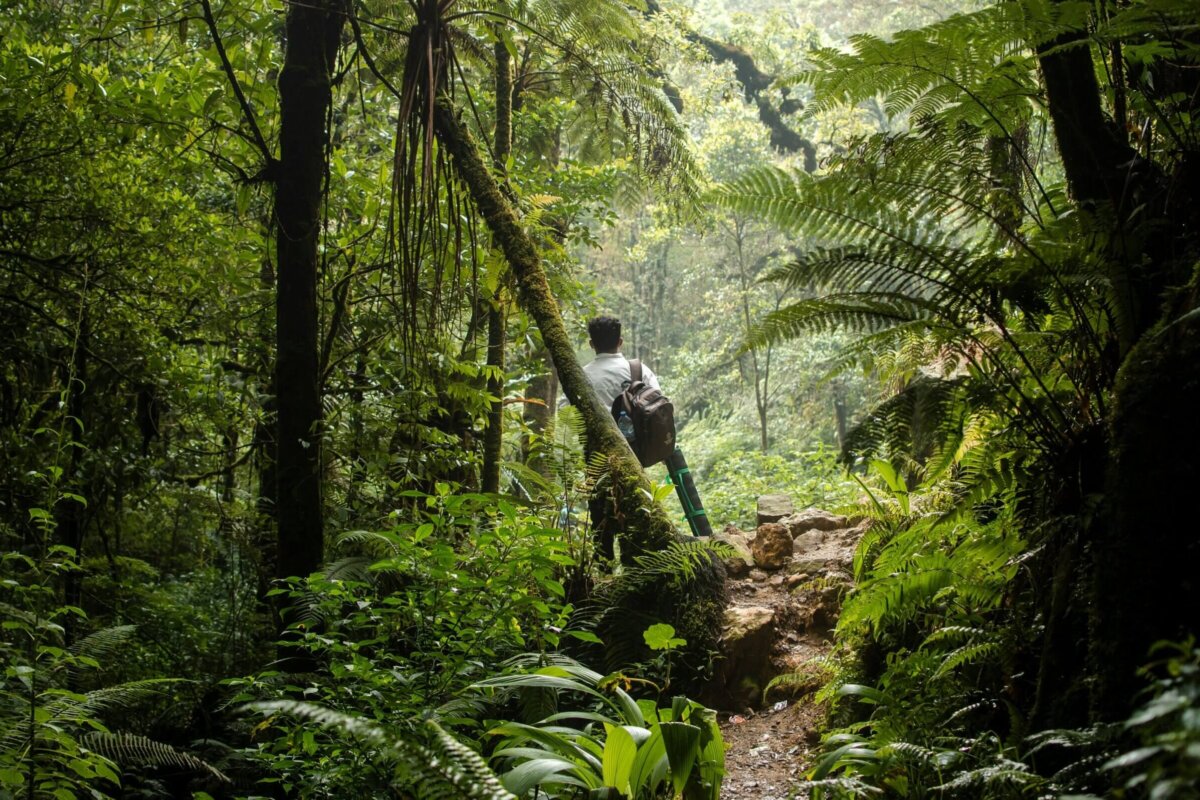
Hiking can be a great activity for the body, mind, and soul. Many people have discovered the wide-ranging benefits of hiking in the UK since the COVID-19 pandemic, but hiking in tropical climates is a whole different ballgame. The tropical humidity introduces a unique set of challenges, and there are four common mistakes people make when it comes to hiking in tropical destinations. Keep reading to find out what these are and how they can be avoided.
Underestimating Electrolyte Loss
Many hikers will drink litres of plain water to combat dehydration, but do not forget that your body loses vital salts through constant perspiration. This imbalance can lead to sudden muscle cramps and/or “brain fog” that can make navigating tricky jungle paths much harder, not to mention aches and pains the next day. Be sure to pack rehydration sachets to stir into your bottle every few hours to maintain physical stamina and cognitive focus throughout the heat of the day.

Choosing the Wrong Fabric Weights
In the UK, hikers often opt for heavier synthetic blends that can trap heat against their torso to create a greenhouse effect that keeps their core temperature up. You do not need the same support in tropical environments, so instead you should be opting for ultra-lightweight, loose-fitting nylon or specially treated linen that allows air to circulate directly against your skin. This airflow carries heat away from your body, which can prevent sluggishness associated with overheating during steep climbs.
Ignoring the Early Start Advantage
Attempting to summit a trail at midday during Thailand holidays and other tropical destinations can be brutal and expose you to intense solar radiation and the highest daily temperatures. Local experts often recommend starting at dawn so you can complete strenuous sections before the sun reaches its zenith. You can then find shaded spots to rest during the hottest period of the day, which will reduce your risk of heat exhaustion.
Neglecting Post-Hike Foot Care
Nothing beats the sense of pride and satisfaction after a long hike, but post-hike care is an essential consideration, especially when it comes to your feet. Tropical trails often involve stream crossings or damp mud that keeps your socks saturated for hours on end. Constant moisture softens your skin, making you far more susceptible to deep blisters or fungal infections that can ruin the rest of your trip. Remove your boots immediately upon reaching camp and apply a drying talc or antifungal spray to keep your feet resilient for the next day’s journey.
By avoiding these mistakes, you can make the most out of your tropical hiking experience and set yourself up for a healthy, safe, and unforgettable hike. Even experienced UK hikers can struggle when it comes to managing the tropical conditions, so make sure that you are prepared and know what to expect before
setting off.




No Comments Yet!
You can be first to comment this post!