
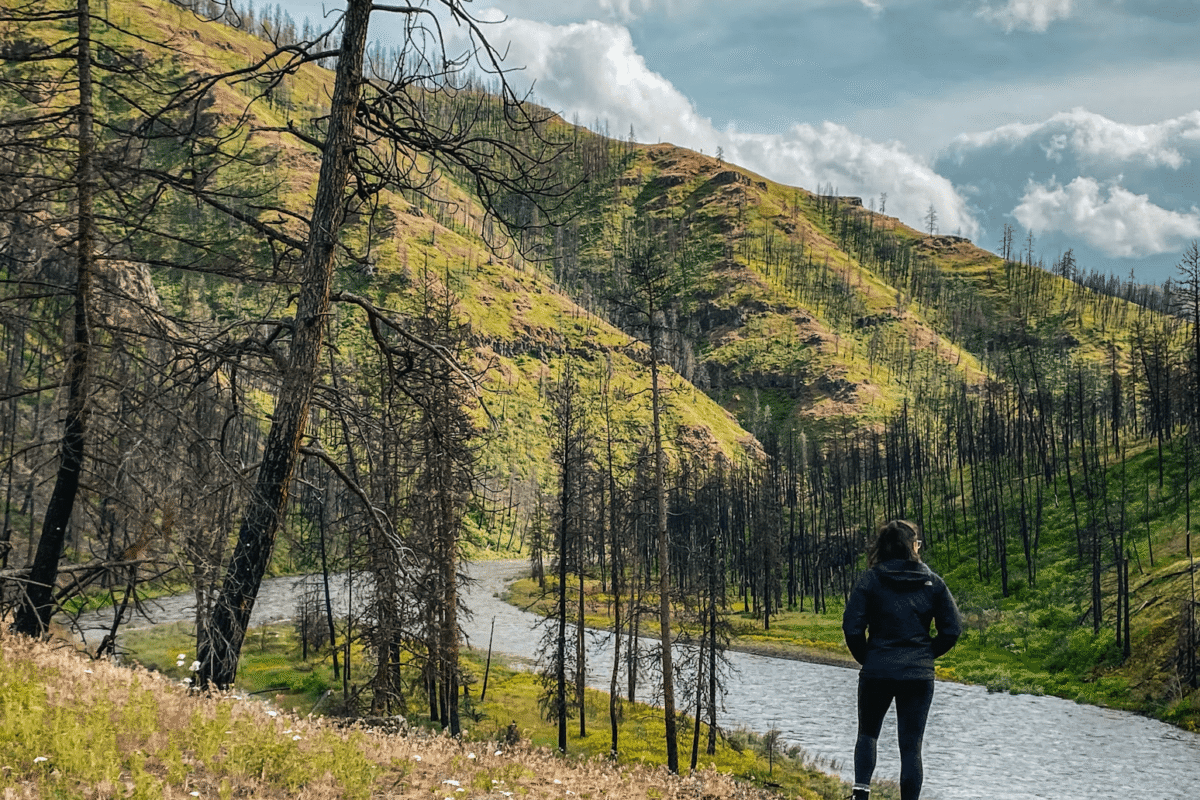
Hiking for Beginners: The Gear You Actually Need on Your First Trail
Your First Hike Needs Less Gear, and Better Decisions
Most first-time hikers do not need an expedition backpack, expensive boots and a drawer full of survival gadgets. They need equipment matched to the route, weather and consequences of an unexpected delay.
That distinction simplifies hiking for beginners. A marked trail close to town differs from an exposed mountain route with no mobile coverage. Check distance, elevation, forecast, daylight, water and trail conditions, then pack for realistic problems.
The established “Ten Essentials” system remains useful because it treats equipment as functions rather than brands.
Start with your feet, not your backpack
Footwear causes more immediate trouble for beginners than the brand of their pack. The correct shoe depends on terrain rather than the word “hiking” printed on the box.
A maintained dry trail may be comfortable in grippy trail shoes. Loose rock, mud, long descents or a heavier pack can justify more structure and protection. Whatever you wear, test it before the trip; the trail is a poor place to discover a rubbing heel.
Synthetic or wool socks manage moisture better than thick cotton ones.
Pack systems instead of collecting gadgets
Good hiking gear solves identifiable problems rather than filling a shopping list.
For an ordinary day hike, think in these categories:
- offline navigation plus a backup;
- water and, where relevant, treatment capability;
- food with an extra reserve;
- rain protection and a warmer layer;
- sunscreen, hat and sunglasses;
- headlamp;
- compact first-aid supplies;
- emergency shelter and basic repair items.
The route determines how elaborate each category needs to become.
Water planning begins on the map
“How much water should I bring?” has no universal answer. Heat, humidity, elevation, body size, pace and access to reliable water sources all change consumption.
The American Hiking Society uses roughly 0.5 liter per hour in moderate conditions as a planning guideline, not a prescription. Identify water before departure, carry a reserve and never assume that a stream is safe untreated.
Your phone is equipment, but it is not your safety plan
A smartphone can hold offline maps, weather information, tickets, photographs and entertainment, yet weak reception can drain its battery surprisingly quickly. After the walking stops, a sports fan might also use a Betting Site in BD to follow scores, pre-match odds or live markets, but navigation and emergency communication should retain priority whenever battery or signal is limited. Keeping a power bank in the pack and downloading the route before departure separates useful mobile habits from dependence on connectivity. The National Park Service specifically warns hikers not to treat a cellphone as a substitute for essential preparation.
Downloads are another task better completed before leaving reliable Wi-Fi. Someone planning to use MelBet APK Download Latest Version during post-hike downtime can handle the installation, account access and updates before the trip rather than consuming mobile data and battery on the trail. Live betting odds can change during a match, so a weak connection is also a poor setting for rushed decisions. Once hiking starts, the phone’s first jobs should remain mapping, communication and preserving enough charge for an unexpected delay.
A turnaround time is more useful than stubbornness
A viewpoint is only halfway; the return needs equal weight.
Set a turnaround time before leaving and respect it even if the destination is close. Pace slows with fatigue, darkness changes an easy trail and descents are not always quicker when terrain is steep or slippery. Turning around is route management, not a failed hike.
Build the first-aid kit around plausible problems
A small day-hiking kit should address problems you know how to manage: blisters, minor cuts and personal medication needs. Add adhesive dressings, blister treatment, gauze and whatever prescribed medication is relevant to you.
A compact kit you understand is more useful than unfamiliar equipment.
Leave the “just in case” pile at home
Beginners routinely overpack duplicate clothing, oversized knives, too much food and camera equipment they barely use. Extra kilograms become especially noticeable on climbs.
Make each item answer one question: what specific problem does this solve on this route? If the answer is vague and another item already performs the same job, your first hiking checklist probably works better without it.


No Comments Yet!
You can be first to comment this post!