
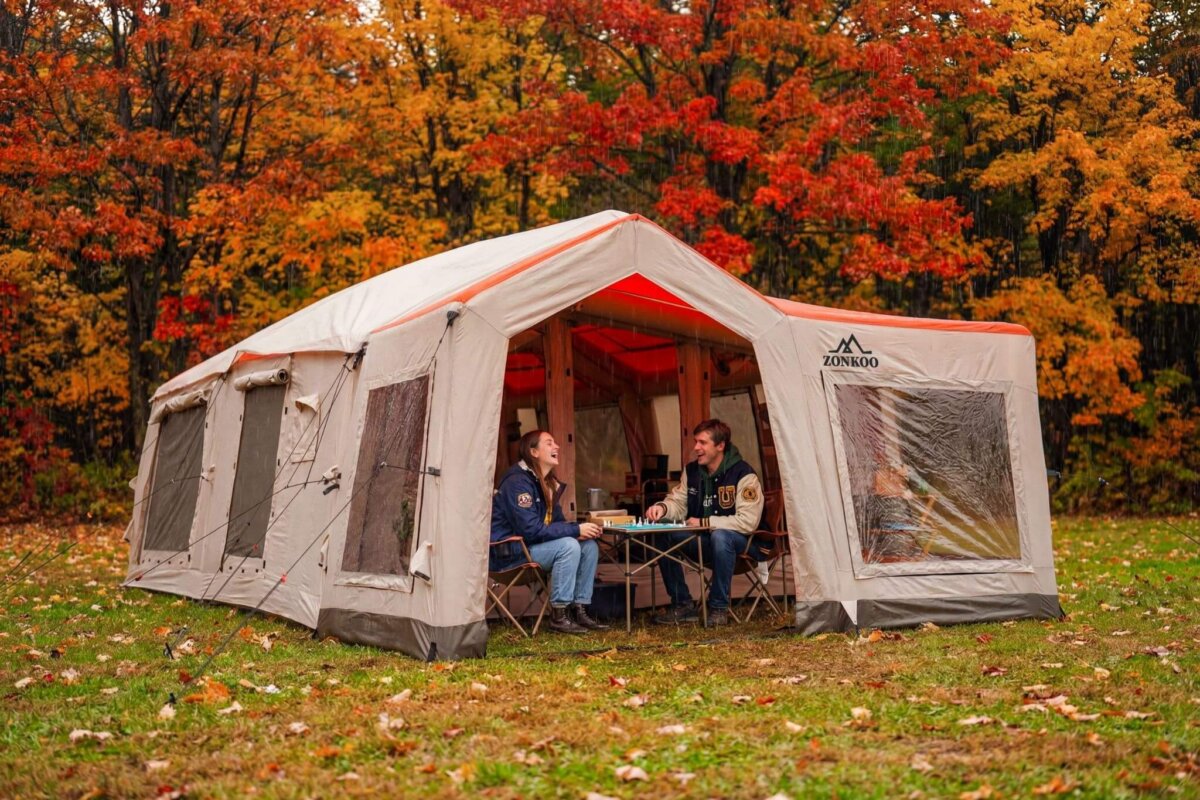
Autumn Camping Isn’t Just Summer Camping With an Extra Layer
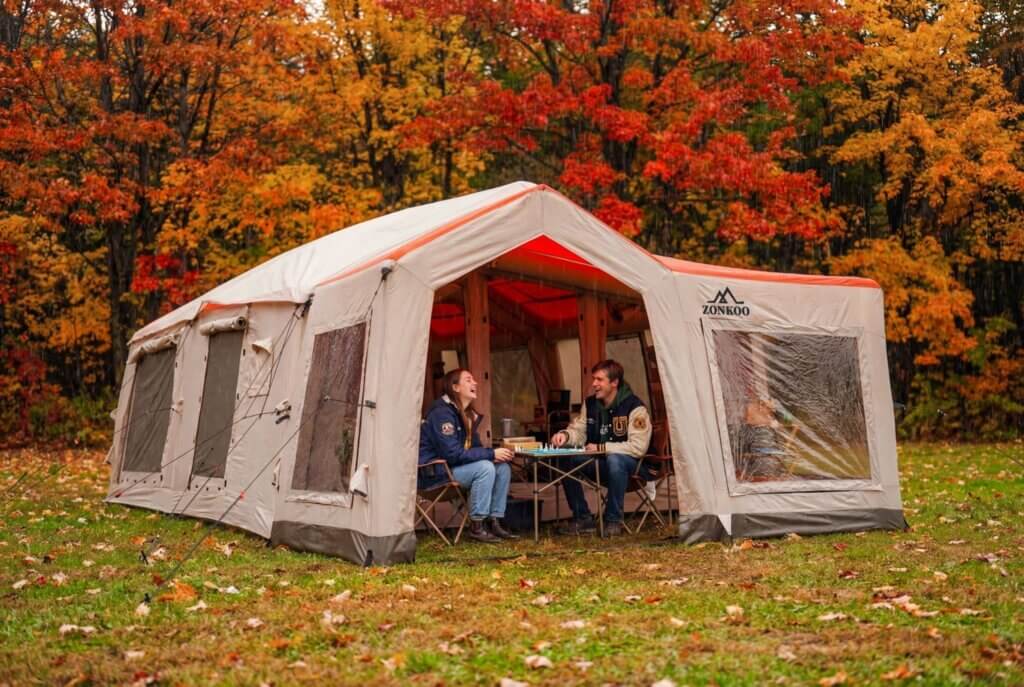
Autumn can be a lovely time to go camping. The heat of midsummer has passed, some campsites quieten down once the school holiday rush is over, and cooler walks through trees beginning to change colour are reason enough to get outside.
But taking the same summer camping plan into September or October and simply throwing a couple of extra fleeces into the bag is not always enough.
The difference is not just that it gets colder. The whole rhythm of the day changes. Darkness comes earlier, mornings and evenings feel noticeably cooler, and grass and gear are more likely to be damp with dew. Things that can wait until later in summer often need doing a little earlier in autumn.
Don’t Leave Pitching the Tent Until It’s Nearly Dark
Arrive at a campsite on a summer evening and there may still be plenty of time to pitch the tent, sort out the gear and start thinking about dinner. In autumn, that window gets much smaller.
As well as checking the campsite’s check-in time, have a look at sunset before setting off. Once you arrive, choose your pitch, get the tent up and secured, then move on to beds and the rest of the gear. That is much easier than hunting for pegs by head torch once the light has gone.
With inflatable tents, there is no traditional pole frame to assemble. On a shorter autumn evening, that can help get the tent up and properly secured before dark.
Plan an Autumn Walk Backwards From Sunset
Starting a short hike at three or four in the afternoon can still leave plenty of daylight in summer. By autumn, the same start time may already be pushing it.
When planning the route, look beyond distance and ascent and factor in sunset too, with a little extra time for stops, photos or an unexpected detour. A route through woodland, valleys or heavily shaded ground can also start to feel dark sooner than open countryside.
A head torch should still be in the rucksack, but it is better kept as a backup than treated as a reason to stretch a walk well beyond daylight. Getting back to the campsite earlier also leaves more time to change, sort out gear and get dinner started.
Earlier Evenings Make Tent Space More Important
In midsummer, long evenings mean much of camp life can happen outside, with the tent mainly there for sleeping. In autumn, the sun goes down earlier and the temperature drops with it, so everyone tends to head under cover sooner.
The tent then has more to do. Jackets, rucksacks and shoes from the day need somewhere to go, and there needs to be room to sit down, change clothes or get things ready for the following morning. If the beds fill almost the entire interior, even simple jobs can mean moving things around first.
So for an autumn trip, it makes sense to look beyond how many people a tent can sleep. The space left once the beds are in place, and whether you can stand comfortably to change or sort out gear, can matter just as much.
For example, the zonkoo vega, from its inflatable tents for camping range, offers 129 sq ft of usable space and 7’1″ of standing height. The extra headroom means less crouching while changing or sorting gear, while the floor space makes it easier to keep rucksacks, jackets and other everyday items around the sleeping area. When autumn evenings mean spending longer inside, that can be more useful than simply knowing how many people the tent sleeps.
Start Dinner Earlier Than You Would in Summer
An autumn campsite can go from “there’s still plenty of time” to completely dark surprisingly quickly.
If the day includes a walk or a trip nearby, it often makes sense to get dinner started soon after returning to camp and deal with everything else afterwards. That is easier than trying to cook as the light disappears while also finding lamps, dealing with wet shoes and looking for things needed the next morning.
Wet jackets can be hung up, the next day’s shoes and rucksack put in one place, and evening lights made ready before dark. Once you finally sit down, there is much less need to keep going back and forth between the tent and the car looking for things.
Autumn camping does not need a strict timetable. Moving a few jobs slightly earlier than you would in summer can make the whole evening feel much easier.
Staying Warm Is About More Than Sleeping
Autumn days can feel mild, but temperatures often drop quickly once the sun goes down. A suitable sleeping bag, sleeping mat and dry clothes are still the basics for staying warm overnight. But if you are going to sit, change or sort out gear in the tent after dark, keeping warm is not only about what happens once you get into bed.
For campers heading into colder conditions, a hot inflatable tent provides a tent designed to work with a compatible heating setup, so staying comfortable in the evening does not depend entirely on the sleeping system. That does not mean every autumn trip needs additional heating; in milder weather, suitable clothing and sleeping gear will often be enough.
If a heat source is needed, the tent must be compatible with the system being used, and the equipment instructions, ventilation and exhaust requirements, and campsite rules should all be followed.
Don’t Try to Fit a Summer Day Into Autumn
There is less usable daylight in autumn than in midsummer, and weather or ground conditions can also upset the original plan. Rather than filling the day as you might in July or August, choose the one or two things you most want to do and leave some breathing room for the walk back and the evening at camp.
A hike followed by an afternoon back at the campsite to rest, change and prepare dinner can be a full day in itself. If the weather and daylight are on your side, there is always room to add something else rather than trying to squeeze a walk, sightseeing and evening plans into the schedule from the start.
The same applies when packing up the following morning. Autumn dew can leave the tent and anything left outside damp, so it is worth allowing a little more time than you might on a dry summer morning.
Autumn camping does not need to follow a summer timetable. Shift your arrival, walks and dinner a little earlier and leave more room for the campsite after dark. It becomes much easier to enjoy what autumn does well: cooler days, quieter campsites and evenings that do not feel like a rush to get through the next thing.


No Comments Yet!
You can be first to comment this post!